
Commerce is a popular stream among HSC (10+2) students in India. Having studied Commerce in Class 11th-12th allows candidates to choose from a multitude of courses at graduation level, paving the way for a range of career choices. One of the major benefits that Commerce students have over Arts students is that they are eligible for both Commerce and Arts courses.

Selection of courses after 12th for Commerce students, be it academic or vocational, at the time of college admissions is crucial. It must be an informed decision taken after having complete understanding of the course one is opting for.
Another point to note is that for Commerce students, while Accountancy, Business Studies and Economics are core subjects, Mathematics is optional. Thus, Commerce stream can be categorised into two groups: Commerce with Math and without Math. However, courses after 12th for both these categories are almost the same (barring a few courses in which Maths is mandatory at class 12 level). Students opting for Commerce without Maths may just have to put in extra effort in the chosen subject in their UG course.
Now the first question that comes to every student’s mind – Which course to select after Class 12 Commerce? While students are advised to select the course depending on individual aptitude and interest, Shiksha has put together extensive details of 21 courses that are most popular at undergraduate (UG) level on Shiksha, among students who have completed Class 12th in Commerce. These details include course highlights, list of colleges across India offering that course, college reviews, top specializations, and frequently asked questions and answers about each course.
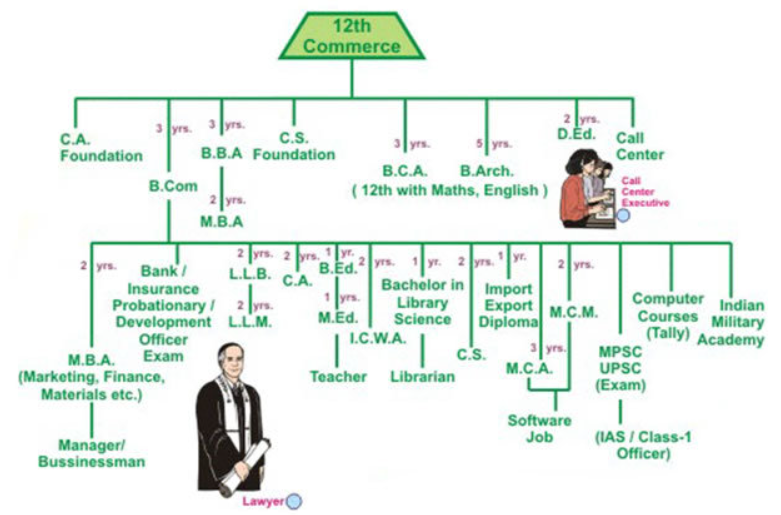
21 Top Courses After 12th Commerce | Career Options, Colleges, Exams
Details about Top Courses after 12th for Commerce Students
BCom in Accounting and Commerce
Bachelor of Commerce, also known as BCom/BCom (Hons) is an undergraduate degree that can be pursued by students who have cleared 10+2 in Science, Arts or Commerce stream. However, preference is given to students who have studied Commerce in 10+2 level. The duration of the course spans over a period of 3 years in Indian colleges/Universities.
Here is some useful information for aspirants looking to take up a course in Accounting & Commerce:
- BCom/ BCom (Hons) in Accounting & Commerce colleges in India
- Popular cities: Delhi NCR, Bangalore, Kolkata, Mumbai and Pune.
- Popular specialisations: Accounting and Taxation
- BCom Entrance Exams: BHU-UET, GLAET, GATA
Explore frequently asked questions on BCom/BCom (Hons) in Accounting & Commerce. In case you have specific queries, post your question which will be answered by our community of experts.
BBA LLB
Bachelor of Business Administration and Bachelor of Legislative Law Honours, popularly known as BBA LLB is an undergraduate Administrative Law professional integrated course. Students opting for BBA LLB get to study the combination of Business Administration and Law. A student who has qualified Senior Secondary (10+2) with a minimum of 50% marks is eligible for this course.
Here is some useful information for aspirants looking to take up a course in BBA LLB:
- BBA LLB colleges in India
- Popular cities: Delhi/NCR, Bangalore, Hyderabad, Chennai and Kolkata
- BBA LLB entrance exams: CLAT, LSAT, ACLAT
Explore frequently asked questions on BBA LLB. In case you have specific queries, post your question which will be answered by our community of experts.
Other popular courses Commerce students can pursue at UG level
BBA/BMS
Bachelor of Business Administration (BBA)/ Bachelor of Management Studies (BMS) is a precursor to Master in Business Management (MBA). BBA/BMS is the Bachelor’s degree undertaken to pursue a career in Business Management. Any candidate who has completed Class XII or equivalent in any stream with at least 50% marks in aggregate from a recognised board or university can pursue BBA/BMS.
Here is some useful information for aspirants looking to take up BBA/BMS:
- BBA/BMS colleges in India
- Popular cities: Delhi-NCR, Mumbai, Bangalore and Pune
- Popular specialisations: Retail, International Business, Sales and Marketing, Human Resources and Finance
- BBA entrance exams
- BBA/BMS college rankings
- All about BBA/BMS
Explore frequently asked questions on BBA/BMS. In case you have specific queries, post your question which will be answered by our community of experts.
BCA (IT and Software)
BCA is an undergraduate course generally undertaken by students who wish to explore the world of Computer languages. A BCA degree is at par with a BTech/BE degree in Computer Science or Information Technology. A candidate who has cleared 10+2 from any discipline with Maths (in some cases English too might be a requirement), and has obtained a minimum of 45%-55% marks in aggregate can pursue BCA.
Here is some useful information for aspirants looking to take up a course in BCA in IT & Software:
- BCA in IT & Software colleges in India
- Popular cities: Delhi NCR, Bangalore, Pune, Kolkata, Chennai
- Popular Specialisations: Networking Hardware & Security, Mobile App Development, Programming, Cloud Computing and Game Design.
- BCA entrance exams: BU-MAT, SET, GSAT
- BCA in IT & Software college rankings
- All about BCA in IT & Software
Explore frequently asked questions on BCA in IT & Software. In case you have specific queries, post your question which will be answered by our community of experts.
Chartered Accountancy (CA)
Chartered Accountancy or CA is a course Commerce students can pursue to become Chartered Accountants. To pursue CA in India, the candidate needs to register with The Institute of Chartered Accountants of India (ICAI). Any candidate who has completed Class XII or equivalent with at least 50% marks in aggregate from a recognized board or university can pursue CA.
Here is some useful information for aspirants looking to take up CA:
- CA Institutes in India
- ICAI Exam
Explore frequently asked questions on CA. In case you have specific queries, post your question which will be answered by our community of experts.
Company Secretary (CS)
Company Secretary or CS is a course Commerce students can pursue after Class XII to become Company Secretary. Any candidate who has completed Class XII or equivalent with at least 50% marks in aggregate from a recognized board or university can pursue CS. To pursue the course and earn the CS degree the candidate has to register with the Institute of Company Secretaries of India (ICSI).
Here is some useful information for aspirants looking to take up CS:
- CS Institutes in India
- ICSI Exam
Explore frequently asked questions on CA. In case you have specific queries, post your question which will be answered by our community of experts.
Commerce students also have the option to choose from various courses available to students After Class 12th Arts:
BA in Humanities & Social Sciences
BA is a bachelor’s degree in subjects related to social sciences, liberal arts and fine arts. BA is an undergraduate degree, one needs to have completed their 10+2 from Arts stream for this course. Apart from this, even Science and Commerce students are eligible to pursue a BA degree.
Here is some useful information for aspirants looking to take up a BA course:
- BA colleges in India
- Popular Cities: Delhi/NCR, Kolkata, Bangalore, Mumbai, Pune
- Popular Specialisations: Economics, Sociology, History, Political Science, Geography
- BA Entrance Exams: SUAT, JNUEE, BHU-UET
Explore frequently asked questions on BA. In case you have specific queries, post your question which will be answered by our community of experts.
BA in Arts (Fine/Visual/Performing)
BA in Arts is the bachelor’s degree undertaken to study courses in Fine Arts, Performing Arts and Performing Arts. BA in Arts is an undergraduate degree, one needs to have completed their 10+2 from Arts stream for this course. However, even Science and Commerce students are eligible to pursue a BA in Arts degree.
Here is some useful information for aspirants looking to take up BA in Arts course:
- BA in Arts colleges in India
- Popular Cities: Delhi/NCR, Pune, Kolkata, Bangalore, Chennai.
- Popular Specialisations: Music, Painting and Drawing, Dance and Choreography, Theatre, Film Making
Explore frequently asked questions on BA in Arts. In case you have specific queries, post your question which will be answered by our community of experts.
Bachelor of Fine Arts (BFA)
Bachelor of Fine Arts (BFA) is a bachelor’s degree undertaken in the field of Fine Arts, Visual Arts and Performing Arts. BFA is an undergraduate degree and candidates can pursue it right after their Class 12.
Here is some useful information for aspirants looking to take up BFA course:
- BFA colleges in India
- Popular Cities: Delhi/NCR, Mumbai, Pune, Bangalore, Hyderabad.
- Popular Specialisations: Applied Arts, Painting and Drawing , Sculpture, Film Making, Ceramics
- BFA Entrance Exams: BHU UET, Jamia Millia Islamia Entrance Exam, KUK Entrance Exam
Explore frequently asked questions on BFA. In case you have specific queries, post your question which will be answered by our community of experts.
BDes in Animation
Bachelor of Design or BDes in Animation is a bachelor’s degree undertaken to become an animator. BDes is an undergraduate degree, students from Arts or even Science and Commerce stream are eligible to pursue a BDes degree.
Here is some useful information for aspirants looking to take up a BDes in Animation course:
- BDes in Animation colleges in India
- Popular Cities: Delhi/NCR, Ahmedabad, Pune, Bangalore, Chandigarh.
- Popular Specialisations: 2D/3D Animation, Animation Film Making, Graphic/Web Design, Sound and Video Editing, Visual Effects (VFX).
- BDes Animation Entrance Exams: UCEED, NIFT Entrance Exam, NID Entrance Exam
Explore frequently asked questions on BDes in Animation. In case you have specific queries, post your question which will be answered by our community of experts.
BA LLB
BA LLB (Bachelor of Arts + Bachelor of Laws) is an integrated Law course offered at undergraduate level. Aspirants need to clear Class XII in any discipline with the minimum required percentage in order to be eligible for the course. The duration of BA LLB programme in Indian universities and colleges is typically five years.
Given below is some useful information for aspirants looking to take up BA LLB course in Law:
- BA LLB colleges in India
- Popular Cities: Delhi/NCR, Bangalore, Pune, Hyderabad, Kolkata
- Popular Specialisations: Constitutional Law, Criminal Law
- BA LLB Entrance Exams: CLAT, AILET, LSAT India
Explore frequently asked questions on BA LLB. In case you have specific queries, post your question which will be answered by our community of experts.
BDes in Design
Bachelor of Design or BDes in Design is a bachelor’s degree undertaken to become a designer. BDes is an undergraduate degree, students from Arts or even Science and Commerce stream are eligible to pursue a BDes degree.
Here is some useful information for aspirants looking to take up a BDes course:
- BDes colleges in India
- Popular Cities: Delhi/NCR, Hyderabad, Mumbai, Pune, Bangalore
- Popular Specialisations: Fashion Design, Interior Design, Communication Design, Industrial & Product Design
- BDes Entrance Exams: NIFT Entrance Exam, NID Entrance Exam, UCEED
Explore frequently asked questions on BDes. In case you have specific queries, post your question which will be answered by our community of experts.
BSc in Hospitality & Travel
Bachelors of Science in Hospitality & Travel, popularly known as BSc in Hospitality & Travel is an undergraduate course in Hospitality. To be able to pursue this course, the student must have cleared 10+2 or any other equivalent qualification from any stream.
Here is some useful information for aspirants looking to take up a course in BSc Hospitality & Travel:
- BSc Hospitality & Travel colleges in India
- Popular Cities: Delhi/NCR, Chennai, Mumbai, Kolkata, Pune
- Popular Specialisations: Hotel/Hospitality Management, Catering, Travel and Tourism, Culinary Arts, Fares & Ticketing
- BSc in Hospitality & Travel Entrance Exams: NCHMCT JEE, CUSAT
Explore frequently asked questions on BSc in Hospitality & Travel. In case you have specific queries, post your question which will be answered by our community of experts.
BSc in Design
Bachelor of Science or BSc in Design is a bachelor’s degree undertaken to become a designer. BSc Design is an undergraduate degree, students from Arts, Science or Commerce stream are eligible to pursue a BSc Design degree.
Here is some useful information for aspirants looking to take up a BSc Design course:
- BSc Design colleges in India
- Popular Cities: Delhi/NCR, Bangalore, Mumbai, Pune
- Popular Specialisations: Fashion Design, Interior Design, Communication Design
Apparel Design Explore frequently asked questions on BSc Design. In case you have specific queries, post your question which will be answered by our community of experts.
Bachelor of Journalism & Mass Communication (BJMC)
BJMC (Bachelor of Journalism and Mass Communication) is a three-year long undergraduate degree programme. In order to be eligible for the course aspirants need to clear Class XII in any discipline. The course is suitable for students to wish to pursue their career in the media industry.
Here is some useful information for aspirants looking to take up BJMC course in Mass Communication & Media:
- BJMC colleges in India
- Popular Cities: Bangalore, Delhi/NCR, Kolkata, Mumbai, Pune
- Popular Specialisations: Journalism, Music & Sound Production, Film & TV, Media Planning
- BJMC Entrance Exams: LUACMAT, SRMHCMAT, GATA
Explore frequently asked questions on BJMC. In case you have specific queries, post your question which will be answered by our community of experts.
BHM in Hospitality & Travel
Bachelor of Hotel Management in Hospitality & Travel is also popularly commonly known as BHM in Hospitality & Travel. This is an undergraduate course, and can be pursued by a candidate who has cleared 10+2 from Science, Commerce or Arts streams.
Here is some useful information for aspirants looking to take up a course in BHM in Hospitality & Travel:
- BHM in Hospitality & Travel colleges in India
- Popular Cities: Bangalore, Delhi/NCR, Kolkata, Hyderabad, Pune
- Popular Specialisations: Food and Beverage Service, House Keeping
- BHM in Hospitality & Travel Entrance Exams: Christ University Entrance Test, SPSAT, UGAT
Explore frequently asked questions on BHM in Hospitality & Travel. In case you have specific queries, post your question which will be answered by our community of experts.
Bachelor of Journalism (BJ)
BJ (Bachelor of Journalism) is an undergraduate Mass Communication & Media course of three years duration. The basic eligibility criteria for the course is completion of Class XII. Aspirants having a keen interest in print, electronic, and online media are apt to pursue BJ course.
Here is some useful information for aspirants looking to take up BJ course in Mass Communication & Media:
- BJ colleges in India
- Popular Cities: Delhi/NCR, Bangalore, Hyderabad, Kolkata, Chennai
- BJ Entrance Exam: DHSGSU UGET
Explore frequently asked questions on BJ. In case you have specific queries, post your question which will be answered by our community of experts.
Bachelor of Mass Media (BMM)
BMM (Bachelor of Mass Media) is an undergraduate level Mass Communication programme of three years duration. Students aspiring to build their career in Mass Communication & Media industry can take up this course after they complete their Class XII.
Here is some useful information for aspirants looking to take up BMM course in Mass Communication & Media:
- BMM colleges in India
- Popular Cities: Delhi/NCR, Mumbai, Gurgaon
- BMM Entrance Exam: Xavier’s BMS Entrance Exam
Explore frequently asked questions on BMM. In case you have specific queries, post your question which will be answered by our community of experts.
BA in Hospitality & Travel
Bachelors of Arts in Hospitality & Travel, popularly known as BA in Hospitality & Travel is an undergraduate course. A candidate who has cleared 10+2 or any other equivalent qualification from any stream is eligible for the course.
Here is some useful information for aspirants looking to take up a course in BA in Hospitality & Travel:
- BA in Hospitality & Travel colleges in India
- Popular Cities: Delhi/NCR, Bangalore, Chandigarh Tricity, Chennai.
- Popular Specialisations: Hotel / Hospitality Management, Travel and Tourism, Culinary Arts, Catering, Fares and Ticketing
- BA in Hospitality & Travel Entrance Exam: IIHM eCHAT
Explore frequently asked questions on BA in Hospitality & Travel. In case you have specific queries, post your question which will be answered by our community of experts.
BA in Animation
Bachelor of Arts or BA in Animation is a bachelor’s degree undertaken to become an animator. BA Animation is an undergraduate degree, students from Arts, Science or even Commerce stream are eligible to pursue a BA Animation degree.
Here is some useful information for aspirants looking to take up a BA Animation course:
- BA Animation colleges in India
- Popular Cities: Delhi/NCR, Mumbai, Bangalore, Kolkata, Hyderabad
- Popular Specialisations: Visual Effects (VFX), 2D/3D Animation, Graphic/Web Design, Sound and Video Editing, Animation Film Making
Explore frequently asked questions on BA Animation. In case you have specific queries, post your question which will be answered by our community of experts.
Diploma in Education (DEd)
DEd or Diploma in Educations is an undergraduate degree undertaken to take up teaching as a profession at nursery/kindergarden level in schools or educational institutes. DEd is a UG level course and one can pursue it right after Class 12.
Here is some useful information for aspirants looking to take up DEd course in Teaching and Education:
- DEd colleges in India
- Popular Cities: Delhi/NCR, Mumbai, Bangalore, Pune, Chennai
- DEd Entrance Exam: Masters of Education Entrance Test
Explore frequently asked questions on DEd. In case you have specific queries, post your question which will be answered by our community of experts.
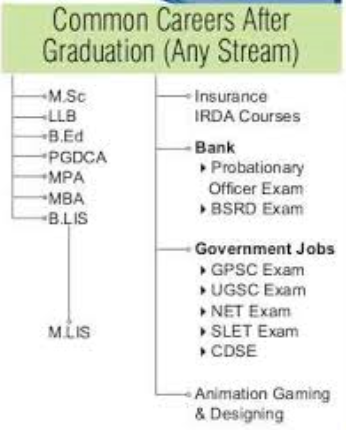
Commerce students can also prepare and appear in competitive exams for Banking, Defence and Civil Services after completing Class XII to make a career in these sectors.
Choice of Colleges for Commerce Students
Having explored the course options available, you can move on to shortlist the best colleges you can aim to get into for UG studies. There are 1437 Accounting and Commerce colleges in India, as listed on Shiksha where you can find various Commerce courses being offered across colleges. Talking of the most popular courses for Commerce students which are BCom and BCom (H), you have the option of choosing from 1094 Accounting and Commerce colleges in India.
Jobs and Career Opportunities after 12th Commerce
There are numerous career opportunities for candidates who choose Commerce after class 12th. Most of the jobs are in accounting, commerce, banking and finance domains. Below listed are a few job profiles and career opportunities after 12th Commerce


 WorldBlogs